
What Happens During a Sewer Line Repair? Things to Watch Out For
Few things strike fear into the heart of a homeowner like the realization that something is wrong with the main sewer line. It is the invisible backbone of your home’s hygiene, quietly whisking away waste until the day it doesn’t. When drains slow down, gurgle, or emit unpleasant odors, the phrase sewer line repair begins to loom large. Understanding the process can transform a stressful emergency into a manageable home maintenance project. While it may seem like a chaotic undertaking involving heavy machinery and upturned earth, a professional repair follows a specific, methodical sequence designed to restore your home’s functionality with as little disruption as possible.
The stakes for your underground infrastructure are higher than many realize. According to IBISWorld, without proper maintenance, systems can fail in as little as 10 to 15 years, requiring costly replacements. This makes timely intervention and professional oversight essential. By knowing what happens during the repair process and what red flags to monitor, you can ensure the job is done correctly and protect your property from long-term damage. From the initial camera probe to the final backfill, here is what you should expect when the professionals arrive to handle your sewer line repair.
Preparing for the Initial Diagnostic Camera Inspection
The modern sewer line repair process almost always begins with a high-definition video inspection. Gone are the days when contractors had to dig up the entire yard just to find a leak. Instead, a waterproof camera attached to a flexible cable is fed through a cleanout or drain. This allows the technician to see exactly what is happening inside the pipe in real-time. You should be able to see the footage yourself, which will reveal whether the issue is a simple clog, invasive tree roots, a belly in the line, or a complete structural collapse.
During this stage, the technician will also use a locating device on the surface to pinpoint the exact depth and path of the pipe. This precision is vital because it prevents unnecessary digging. Watch out for contractors who skip this step and want to start excavating immediately based on a hunch. A visual confirmation of the damage ensures that the repair strategy is based on facts rather than guesswork, saving you time and money.
Selecting the Repair Methodology
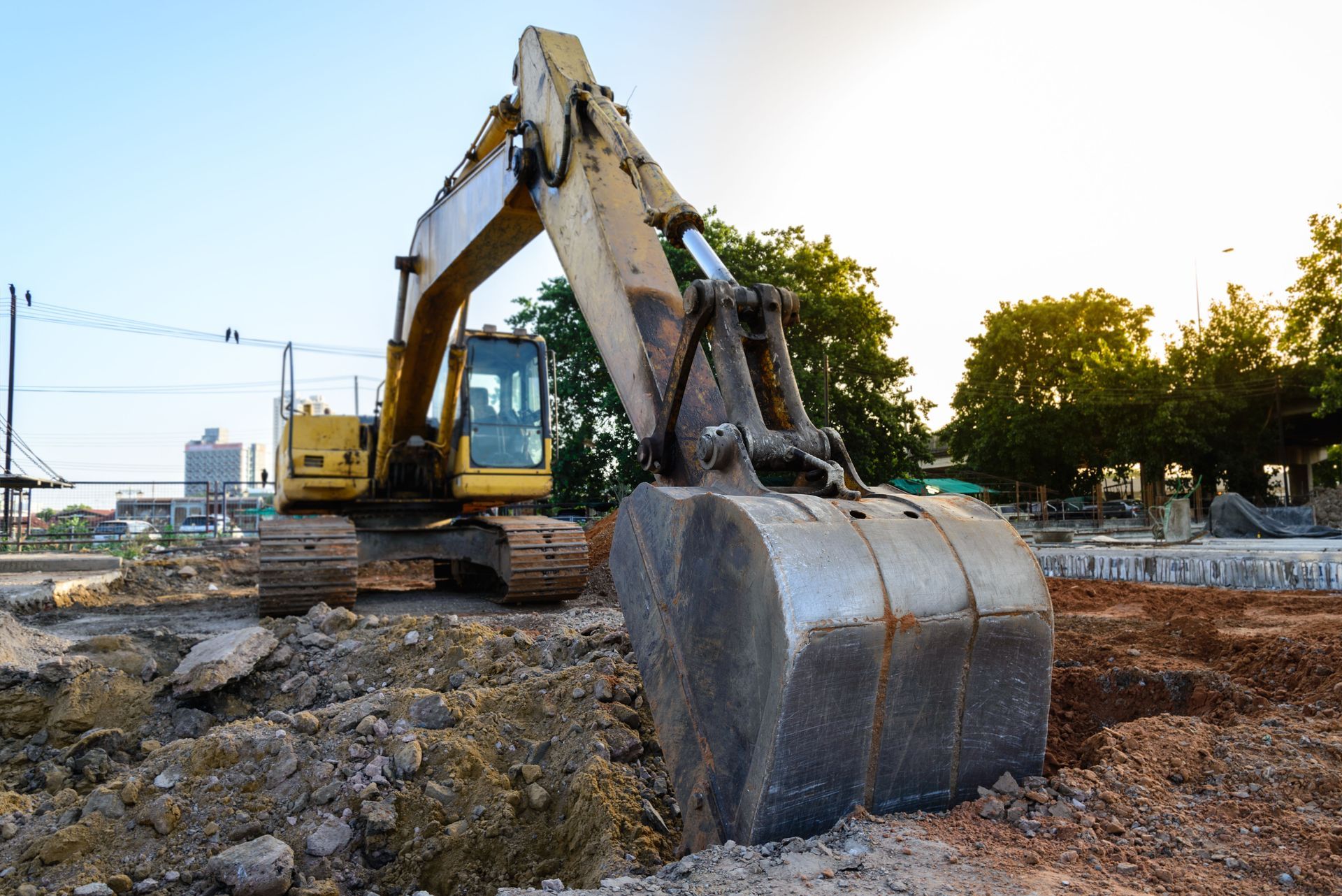
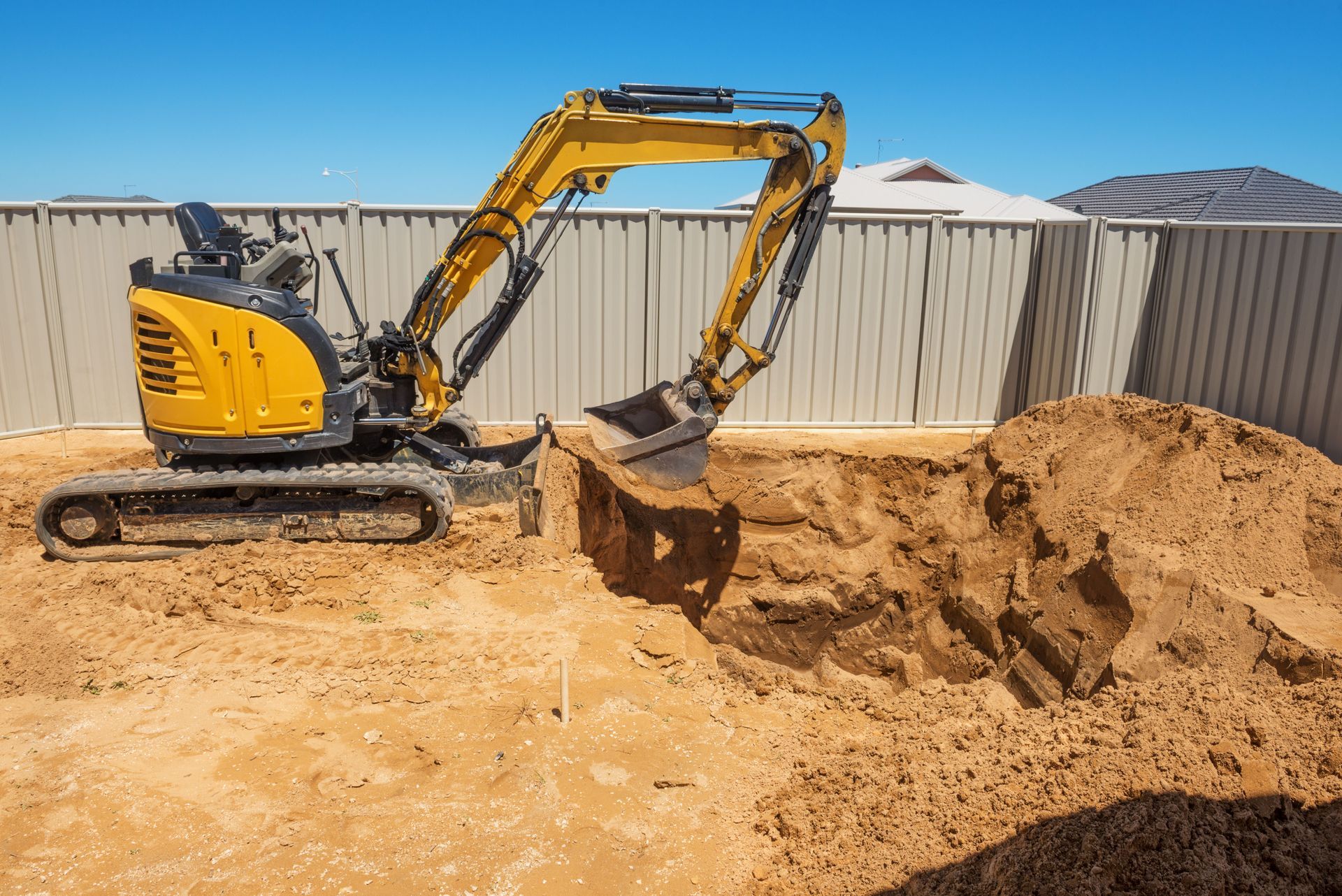
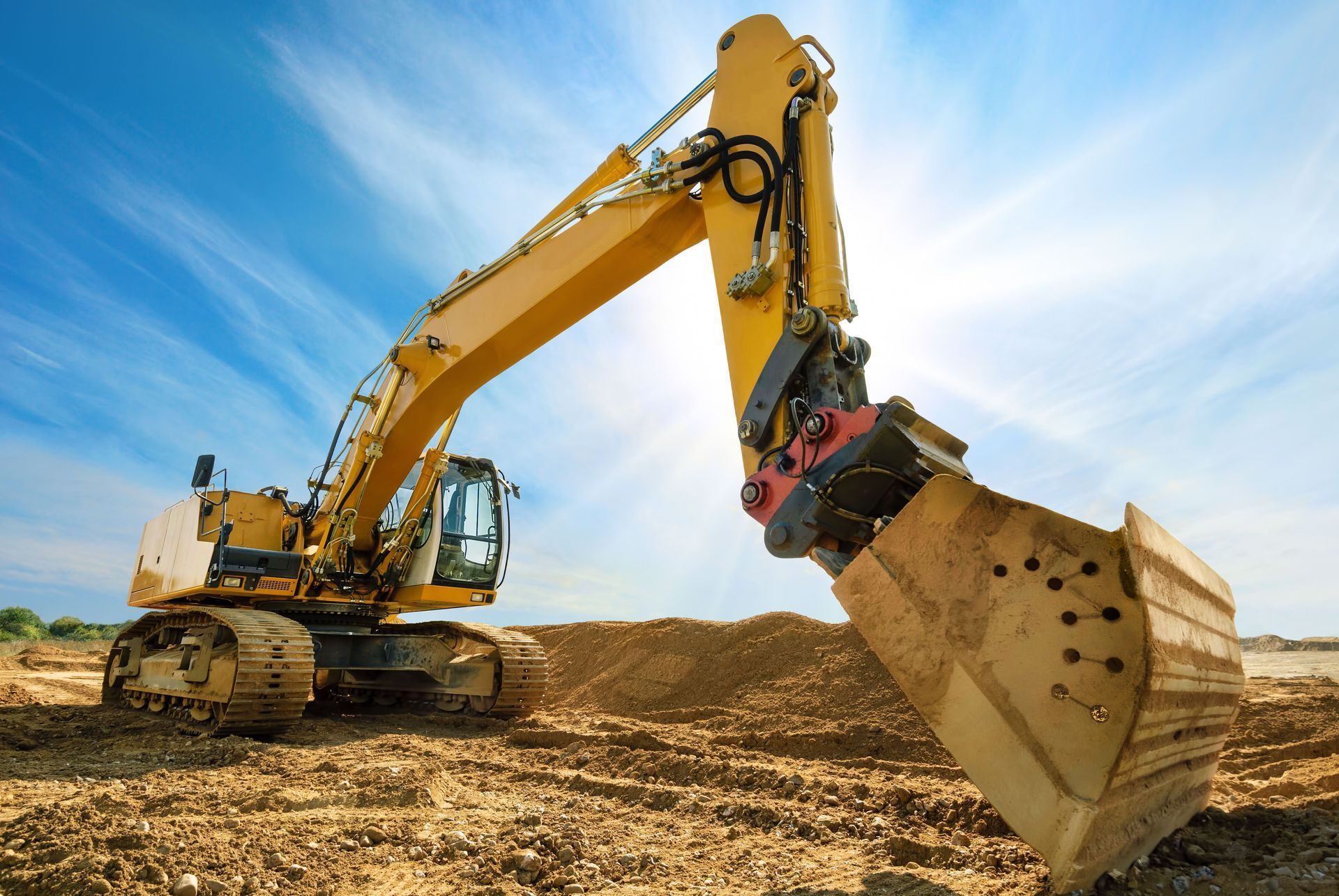
Once the problem is identified, the next step is choosing the right repair method. Depending on the severity of the damage and the location of the pipe, there are generally two paths: traditional excavation or trenchless technology. Traditional sewer line repair involves digging a trench to expose the entire length of the damaged pipe. This is often necessary if the pipe has collapsed or if there are significant shifts in the soil that have disconnected the joints.
Trenchless methods, such as pipe bursting or CIPP (Cured-In-Place Pipe) lining, are less invasive. Pipe bursting involves pulling a new pipe through the old one, breaking the old pipe apart as it goes. Pipe lining creates a new "pipe within a pipe" using a resin-saturated sleeve. While trenchless options are often preferred for preserving landscaping, they aren't always possible. You should watch out for "one-size-fits-all" promises; a reputable professional will explain why a specific method is better suited for your unique soil conditions and pipe material.
Preparing the Site and Safety Measures
Before any digging or lining begins, the site must be properly prepared. This involves marking underground utility lines—such as gas, water, and electricity—to prevent dangerous accidents. In many jurisdictions, this is a legal requirement. You should also see the crew taking steps to protect your property, such as laying down plywood to protect the grass from heavy equipment or setting up barriers to keep bystanders away from the work zone.
Safety is a major factor to watch out for during this phase. If a deep trench is required, the crew should use shoring or trench boxes to prevent the walls from collapsing. A professional sewer line repair site should look organized, even if it is inherently messy. If you notice a lack of utility markings or a disregard for basic safety protocols, it is a significant red flag regarding the quality of the workmanship you can expect.
Executing Repair or Replacement
This is the core of the project. If traditional excavation is used, the old, damaged sections of pipe are removed and replaced with modern materials, typically high-density polyethylene or PVC, which are resistant to corrosion and root intrusion. The joints must be sealed perfectly to ensure a watertight connection. If a trenchless method is being used, you will see specialized machinery at the entry and exit points of the line as the new pipe or liner is installed.
During this stage, pay attention to the materials being used. The new piping should meet local building codes and be rated for the specific pressure and environment of a sewer system. This is also the time when the crew will address any "bellies" or improper slopes in the line. A sewer line relies on gravity to move waste, so ensuring the correct "fall" or angle is the most critical part of the physical installation. Even a small error in the slope can lead to chronic backups in the future.
Preparing for the Final Inspection and Testing
Once the repair is physically completed, but before the earth is put back, the system must be tested. A common method is a flow test, where water is run through the house drains to ensure there are no leaks at the new joints and that the water is moving freely toward the municipal main. In many areas, a city inspector must visit the site to sign off on the work before the trench can be closed. This is a crucial layer of protection for you as a homeowner.
Watch out for contractors who try to "rush the backfill." It is tempting to get the yard put back together as quickly as possible, but covering the pipe before a final inspection or flow test is a recipe for disaster. If a leak is discovered after the soil is replaced, the entire process has to start over. Always ensure that the work has been verified, either by an independent inspector or through a final camera pass to show the interior of the newly repaired line.
Backfilling and Property Restoration
The final stage is the restoration of the work area. This involves more than just dumping dirt back into a hole. The soil must be replaced in "lifts" or layers and compacted properly. If the soil is not compacted, it will eventually settle, creating a massive dip in your yard or, worse, putting stress on the new pipe and causing it to shift or crack. The crew should also remove any debris, old pipe fragments, and construction waste from your property.
While the contractor may not be responsible for replanting your prize roses, they should leave the area "grade-ready." This means the ground is level and ready for seed, sod, or whatever landscaping you have planned. Watch out for large rocks or chunks of asphalt being used as backfill, as these can damage the pipe over time. A clean, level finish is the hallmark of a professional who takes pride in the entire scope of the project, not just the plumbing.
At Pro Excavating & Grading, LLC, we understand that your property is your most valuable asset. We approach every sewer line repair with the precision and care it deserves, utilizing modern diagnostics and expert excavation techniques to get the job done right the first time. We pride ourselves on transparent communication and rigorous safety standards, ensuring that our work stands the test of time. If you suspect your sewer system is failing or if you are ready to upgrade your home’s infrastructure, contact Pro Excavating & Grading, LLC today to schedule an inspection and get your property back on solid ground.

Share On: